
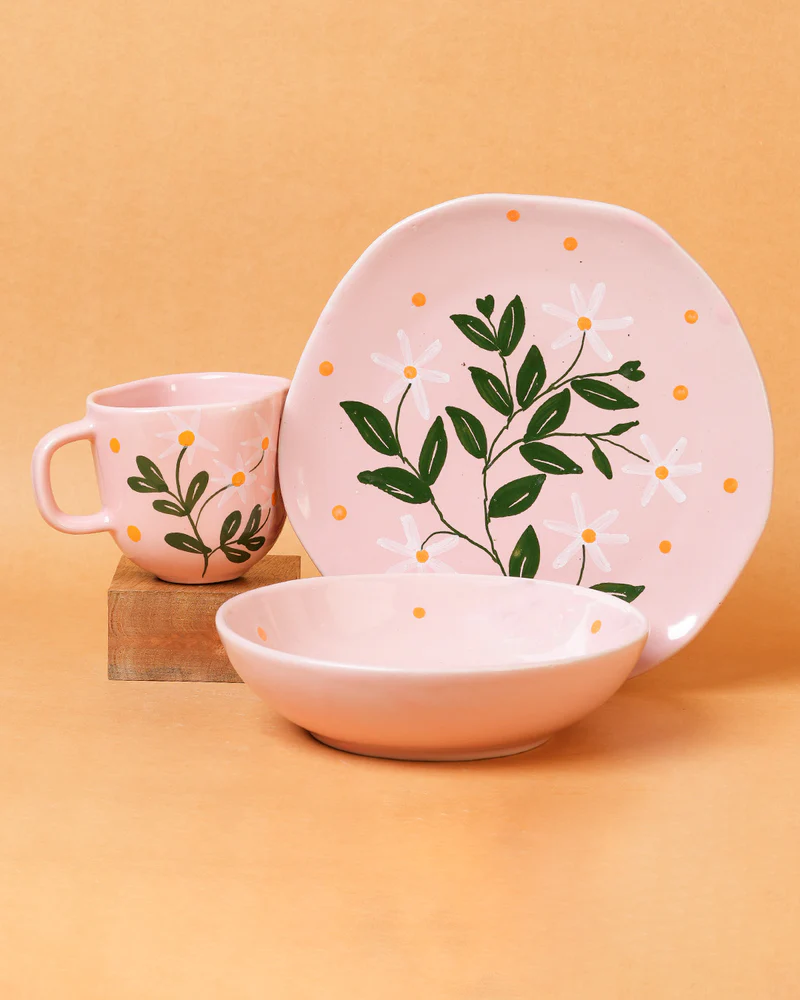
Dinnerware is more than just a vessel for food—it directly touches what we eat and can influence our health. While metals like stainless steel, aluminum, and copper have long been used, ceramic dinnerware has emerged as a healthier option. This article explores why ceramic dinnerware is better for health compared to metal, covering scientific, cultural, and practical perspectives.
Chemical Safety
- Ceramics are chemically inert: They do not react with acidic or alkaline foods. For example, tomato-based dishes or citrus juices can react with aluminum or copper, potentially leaching harmful compounds into food.
- Metals can leach elements:
- Aluminum may leach into food, especially when cooking or serving acidic dishes, raising concerns about long-term exposure.
- Copper, while essential in trace amounts, can be toxic if ingested in excess.
- Stainless steel is safer but may still release nickel or chromium in small amounts.
- Ceramics avoid metallic taste: Unlike metal plates or cups, ceramics do not impart unwanted flavors.
Resistance to Corrosion and Rust
- Ceramics do not rust: Metals like iron or steel can corrode over time, especially with repeated washing or exposure to moisture.
- Durability of glaze: High-quality ceramic glazes form a protective layer that resists staining and degradation.
- Health implication: Rust particles or corroded metal surfaces can contaminate food, whereas ceramics remain stable.
Free from Harmful Additives
- No BPA or phthalates: Unlike plastics, ceramics are free from synthetic chemicals that disrupt hormones.
- Lead-free modern ceramics: While older ceramics sometimes contained lead-based glazes, modern dinnerware is regulated to ensure safety. Always choosing certified lead-free ceramics eliminates risk.
Heat Retention and Food Safety
- Ceramics retain heat evenly: This helps maintain food temperature without overheating or burning.
- Metals conduct heat rapidly: While useful in cooking, this can make metal plates uncomfortably hot and unsafe to touch.
- Microwave safety: Ceramics are microwave-safe, unlike most metals which spark or damage appliances.
Aesthetic and Psychological Health Benefits
- Ceramics enhance dining experience: Their artistic designs and natural feel promote mindful eating.
- Metal dinnerware feels utilitarian: While durable, it lacks the warmth and cultural richness of ceramics.
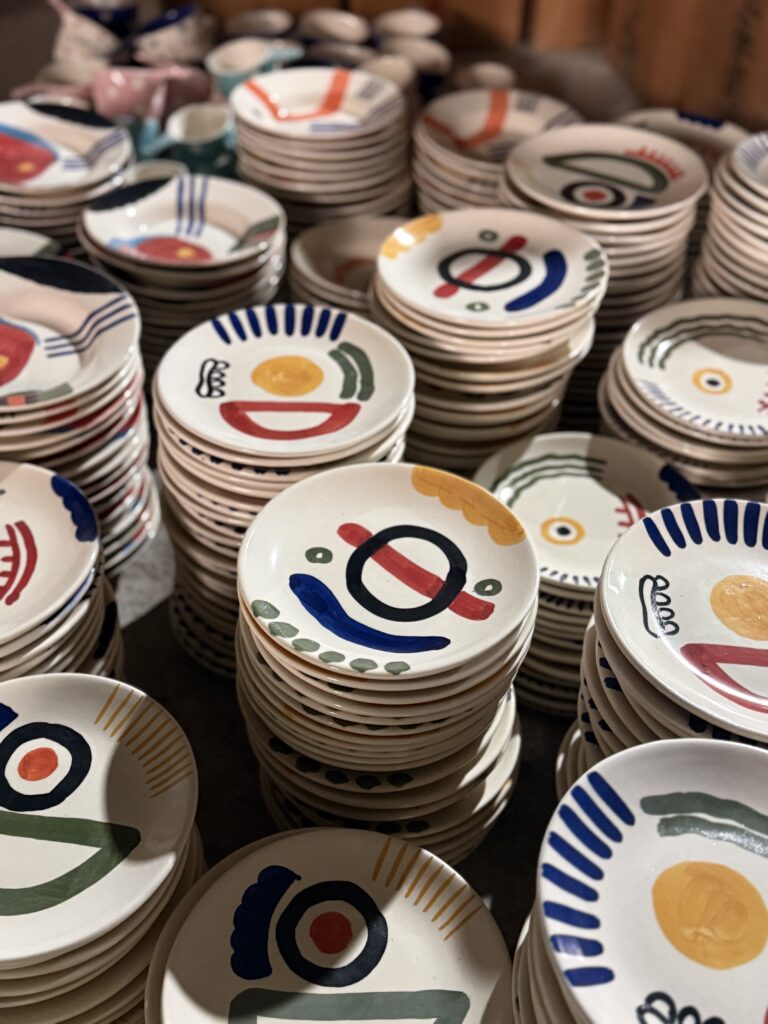
- Cultural heritage: In India, Khurja ceramics are renowned for their artistry, connecting people to tradition and sustainability.
Environmental and Sustainability Factors
- Ceramics are eco-friendly: Made from natural clay, they are biodegradable and sustainable.
- Metals require mining and heavy processing: This has environmental costs and potential contamination risks.
- Health link: Sustainable materials reduce exposure to industrial pollutants and support cleaner living environments.
Risks and Precautions
- Ceramic risks: Poorly made ceramics may contain lead or cadmium in glazes. Always buy certified, food-safe products.
- Metal risks: Continuous use of aluminum or copper can increase exposure to harmful elements. Stainless steel is safer but not entirely inert.
Conclusion
Ceramic dinnerware offers clear health advantages over metal: it is chemically stable, free from harmful leaching, resistant to rust, microwave-safe, and aesthetically enriching. While metals have durability, their potential to react with food and leach elements makes them less ideal for long-term health. Choosing high-quality, lead-free ceramics ensures a safe, sustainable, and culturally rich dining experience.