
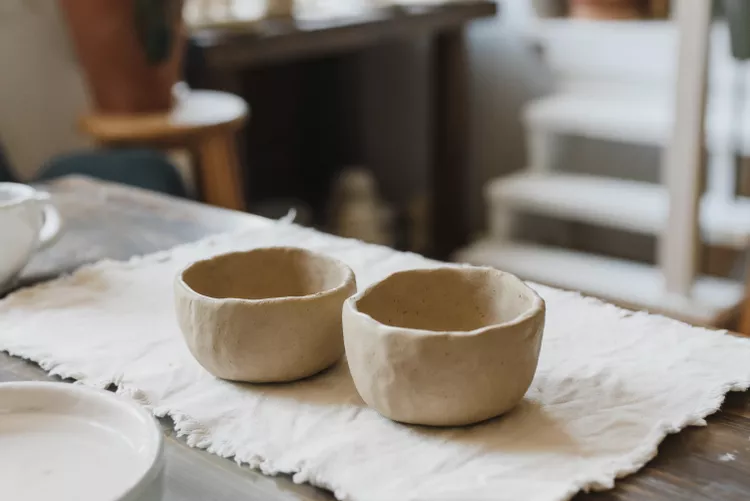
🌍 Introduction: The Soul of Clay
Ceramic handicraft is more than just pottery—it is the art of transforming earth into objects of beauty and utility. From humble clay cups to ornate vases, ceramics have been part of human civilization for thousands of years. They carry stories of culture, craftsmanship, and creativity. In today’s world, ceramic handicraft stands at the intersection of tradition and modernity, offering sustainable, artistic, and globally admired products.
This blog explores the journey of ceramic handicraft: its history, techniques, cultural significance, and its evolving role in contemporary design and lifestyle.
🏺 A Journey Through History
Ceramics are among the oldest human inventions. Archaeological evidence shows ceramic artifacts dating back to 24,000 BCE, when early humans molded clay figurines and baked them in primitive kilns. Over centuries, ceramics became essential for cooking, storage, and rituals.
- Ancient Civilizations:
- In Mesopotamia, potters created wheel-thrown vessels for daily use.
- The Chinese perfected porcelain, admired worldwide for its translucence and strength.
- The Greeks decorated amphorae with mythological scenes, blending utility with storytelling.
- India’s Ceramic Heritage: India has a rich tradition of pottery, from the terracotta figurines of the Indus Valley Civilization to the glazed pottery of Khurja, Uttar Pradesh. Khurja, often called the “Ceramic City of India,” remains a hub of handicraft excellence, producing plates, mugs, jars, and decorative items that travel across the globe.
🎨 The Craftsmanship Behind Ceramics
Ceramic handicraft is a meticulous process that combines artistry with science. Each piece passes through several stages before it becomes a finished product.
1. Clay Selection
The journey begins with choosing the right clay.
- Earthenware: Porous, rustic, and ideal for decorative items.
- Stoneware: Durable, with a natural finish, perfect for tableware.
- Porcelain: Fine, translucent, and prized for elegance.
2. Shaping
Potters use techniques like:
- Hand-building: Pinching, coiling, or slab construction.
- Wheel-throwing: Spinning clay on a potter’s wheel for symmetrical forms.
- Slip casting: Pouring liquid clay into molds for mass production.
3. Drying and Firing
The shaped clay must dry slowly to avoid cracks. It is then fired in kilns at temperatures ranging from 800°C to 1,300°C. This transforms fragile clay into solid ceramic.
4. Glazing and Decoration
Glazes add color, shine, and waterproofing. Techniques include:
- Underglaze painting: Designs applied before glazing.
- Overglaze decoration: Patterns added after the first firing.
- Engobe and slip: Colored clay coatings for texture.
5. Final Firing
The second firing seals the glaze, giving ceramics their final look—smooth, glossy, and durable.
🌿 Sustainability and Health Benefits
Ceramic handicraft is not just beautiful; it is eco-friendly and healthy.
- Natural Material: Clay is abundant and biodegradable.
- Reusable and Durable: Unlike plastic, ceramics last for decades.
- Non-toxic: Lead-free glazes ensure food safety.
- Thermal Properties: Ceramic mugs retain heat, while jars preserve freshness.
In a world seeking sustainable alternatives, ceramics stand out as timeless and responsible choices.
🏡 Ceramics in Modern Lifestyle
Ceramic handicraft has evolved beyond traditional pots and plates. Today, it is a lifestyle statement.
- Tableware: Elegant plates, bowls, and mugs elevate dining experiences.
- Home Décor: Vases, lamps, and wall tiles add artistic flair.
- Functional Art: Ceramic jars for storage, planters for greenery, and cookware for healthy meals.
- Fashion and Jewelry: Ceramic beads and pendants are gaining popularity in artisanal fashion.
Global brands and boutique studios now collaborate with artisans to create contemporary designs that appeal to modern consumers.
🌏 Khurja: India’s Ceramic Capital
Khurja, located in Uttar Pradesh, is renowned for its ceramic handicraft industry. With over 400 small and medium enterprises, the city produces a wide range of products exported worldwide.
- Unique Styles: Khurja ceramics are known for their vibrant glazes, floral motifs, and affordability.
- Employment: The industry supports thousands of artisans, sustaining traditional skills.
- Global Reach: Khurja products are shipped to Europe, the Middle East, and North America, showcasing Indian craftsmanship on the world stage.
For brands like Mitti Artist, Khurja offers both heritage and innovation—a perfect blend for global expansion.
📈 The Business of Ceramic Handicraft
Ceramics are not just art; they are a thriving business opportunity.
- Market Demand: Rising interest in handmade, sustainable products has boosted ceramic sales.
- E-commerce Growth: Platforms like Etsy, Amazon Handmade, and Instagram provide global visibility.
- Branding Potential: Storytelling around heritage and craftsmanship enhances brand value.
- Export Opportunities: Countries like the UK, USA, and Italy have strong demand for artisanal ceramics.
For entrepreneurs, ceramic handicraft offers a niche yet scalable market.
✨ Storytelling Through Ceramics
Every ceramic piece tells a story—of the artisan’s hands, the cultural motifs, and the journey from clay to kiln. Brands that highlight these stories connect emotionally with customers.
For example:
- A mug isn’t just a vessel; it’s a symbol of warmth and comfort.
- A handcrafted plate reflects tradition and hospitality.
- A decorative vase embodies creativity and individuality.
By weaving narratives around products, ceramic brands can build deeper customer loyalty.
🔮 The Future of Ceramic Handicraft
Ceramic handicraft is poised for growth, blending tradition with innovation.
- Smart Ceramics: Research explores ceramics in technology—heat-resistant tiles, biomedical implants, and electronics.
- Design Fusion: Collaborations between artisans and designers bring fresh aesthetics.
- Global Recognition: Handmade ceramics are increasingly valued in luxury markets.
- Sustainability Trend: Eco-conscious consumers prefer ceramics over plastics and metals.
The future belongs to artisans who embrace both heritage and modernity.
📝 Conclusion: Clay as Culture
Ceramic handicraft is not just about objects—it is about culture, sustainability, and artistry. From ancient civilizations to modern homes, ceramics have remained relevant, versatile, and beautiful. For businesses and artisans, ceramics offer a canvas to express creativity while meeting global demand for sustainable products.
As we sip tea from a handcrafted mug or decorate our homes with ceramic art, we participate in a tradition that spans millennia. Ceramic handicraft is truly timeless—an art form that will continue to inspire generations.