
Bulk orders are the backbone of any manufacturing business. They not only ensure steady production but also help build long-term relationships with clients who rely on consistent quality and timely delivery. For a factory like yours, which specializes in ceramics, managing bulk orders effectively requires a blend of planning, communication, and operational efficiency. Below is a comprehensive guide on how to handle bulk orders in a factory environment.
1. Understanding Bulk Orders
Bulk orders refer to large-scale purchases made by wholesalers, retailers, or institutional buyers. Unlike small retail sales, bulk orders demand:
- High production capacity
- Standardized quality control
- Efficient logistics and packaging
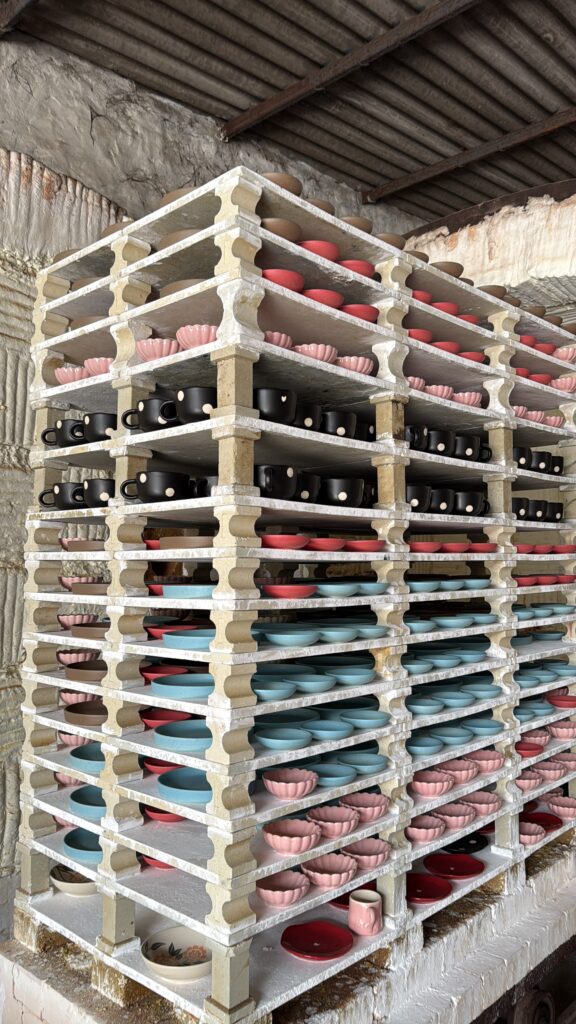
For a ceramic factory, this could mean producing thousands of plates, mugs, or jars in uniform design, glaze, and finish.
2. Initial Client Communication
The process begins with clear communication between the client and the factory.
- Requirement Gathering: Ask the client about product type, quantity, design specifications, and delivery timelines.
- Quotation: Provide a detailed quotation that includes unit price, bulk discounts, packaging costs, and shipping charges.
- Sample Approval: Before starting mass production, share samples with the client to confirm design, glaze, and durability.
This step avoids misunderstandings later and builds trust.
3. Production Planning
Once the order is confirmed, production planning is crucial.
- Raw Material Procurement: Ensure sufficient clay, glaze chemicals, and packaging materials are available.
- Batch Scheduling: Divide the order into manageable batches to maintain consistency.
- Workforce Allocation: Assign skilled artisans and machine operators to specific tasks.
Factories often use production management software to track progress and avoid delays.
4. Quality Control
Bulk orders demand strict quality control because even minor defects can lead to large-scale losses.
- Inspection at Each Stage: Check raw materials, molding, glazing, and firing.
- Uniformity: Ensure all pieces match in size, color, and finish.
- Durability Testing: Conduct random checks for strength and heat resistance.
Maintaining quality in bulk orders enhances reputation and encourages repeat business.
5. Packaging and Branding
Packaging plays a vital role in bulk orders, especially for fragile products like ceramics.
- Protective Packaging: Use bubble wrap, corrugated boxes, and separators to prevent breakage.
- Bulk-Friendly Design: Create packaging that is easy to stack and transport.
- Branding: Add your logo, product details, and sustainability message to reinforce brand identity.
Good packaging reduces damage during transit and adds value to the product.
6. Logistics and Delivery
Timely delivery is as important as production.
- Transport Coordination: Partner with reliable logistics companies that handle fragile goods.
- Documentation: Prepare invoices, packing lists, and shipping documents.
- Tracking: Share shipment tracking details with clients for transparency.
For international bulk orders, ensure compliance with customs regulations and export documentation.
7. Payment and Contracts
Bulk orders involve significant financial transactions.
- Advance Payment: Secure a percentage of the order value upfront to cover raw material costs.
- Installments: Offer flexible payment options for long-term clients.
- Contracts: Draft clear agreements covering timelines, quality standards, and penalties for delays.
This protects both the factory and the client.
8. After-Sales Service
Bulk orders don’t end with delivery.
- Feedback Collection: Ask clients about product quality, packaging, and delivery experience.
- Replacement Policy: Offer replacements for damaged goods within a reasonable timeframe.
- Relationship Building: Stay in touch with clients for future orders and collaborations.
Strong after-sales service ensures repeat business and referrals.
9. Benefits of Bulk Orders
- Economies of Scale: Lower production costs per unit.
- Stable Revenue: Large orders provide financial stability.
- Brand Visibility: Products reach wider markets through wholesalers and retailers.
- Client Loyalty: Consistent service builds long-term partnerships.
10. Challenges and Solutions
- Challenge: Maintaining Consistency
Solution: Implement strict quality checks and use standardized molds. - Challenge: Meeting Deadlines
Solution: Use production scheduling tools and maintain buffer stock. - Challenge: Breakage During Transit
Solution: Invest in high-quality packaging and trusted logistics partners.
Conclusion
Handling bulk orders in a factory requires a systematic approach that balances efficiency, quality, and customer satisfaction. From initial communication to after-sales service, every step must be carefully managed. For a ceramic brand, bulk orders are not just about producing large quantities—they are about delivering craftsmanship at scale. By focusing on planning, quality, packaging, and logistics, factories can turn bulk orders into long-term success stories.